

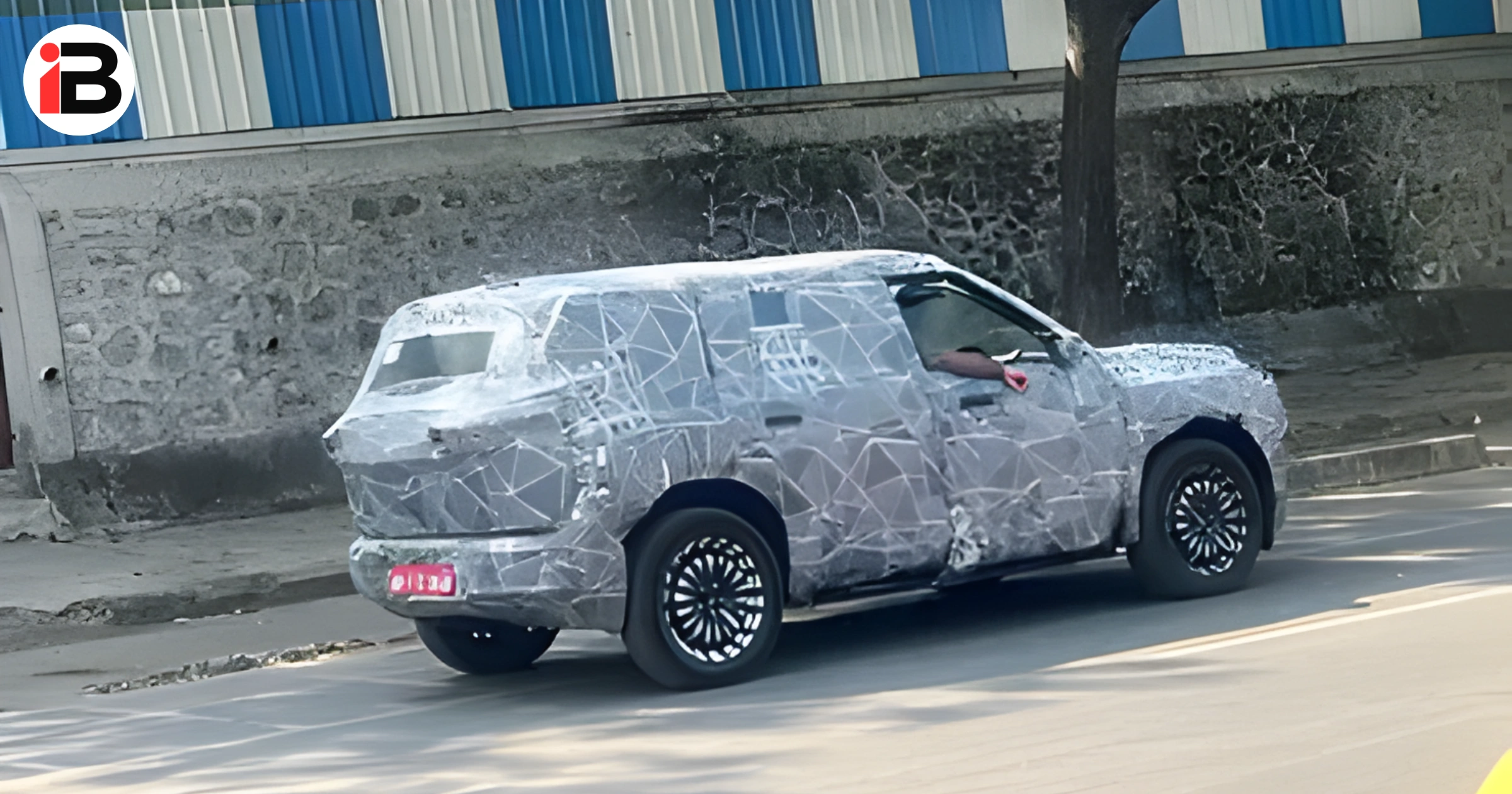
Tata Motors is preparing to expand its already dominant electric vehicle lineup with the much-anticipated Tata Sierra EV, which has now been spotted testing ahead of its official launch. The electric SUV is expected to arrive in India by Q2 2026, likely between April and June.
With Tata currently holding nearly 40 percent market share in India’s EV segment, the Sierra EV will play an important role in strengthening the brand’s leadership position. Following the recent launch of the Punch EV facelift, Tata appears ready to introduce another lifestyle-focused electric SUV aimed at modern buyers.
Sierra EV Production Confirmed at Sanand Plant
Tata Motors has confirmed that the Sierra EV will be manufactured at its Sanand facility, the same production hub where the internal combustion version of the Sierra will also be built.
According to company officials, the electric Sierra will closely follow the ICE model in terms of overall design and positioning. Bookings for the petrol-powered Sierra have already crossed one lakh units, indicating strong market interest even before launch.
Personally, this demand shows how powerful the Sierra nameplate still is in India. Reviving it in electric form feels like a strategic move rather than just another SUV launch.
Familiar Design with EV-Specific Elements
Spy images suggest that the Sierra EV will retain most of the styling seen on its ICE counterpart. However, several electric-specific updates are expected.
Likely exterior highlights include:
- Closed-off front grille
- Revised front and rear detailing
- Cleaner aerodynamic elements
- Possible exclusive EV color options
Tata seems to be focusing on refinement rather than drastic visual changes. In my opinion, this approach works well because the Sierra already carries strong nostalgic appeal combined with modern design language.
Feature-Rich Cabin with Modern Technology
Inside the cabin, the Sierra EV is expected to share multiple components with the ICE version while adding EV-focused functionality.
Expected interior features include:
- Triple-screen layout
- Dual 12.3-inch infotainment displays
- 10.25-inch digital instrument cluster
- Ventilated front seats
- Powered driver seat
- Panoramic sunroof
- Premium Dolby-enabled sound system
- Multiple drive modes
Like other Tata electric vehicles, the Sierra EV is also likely to support Vehicle-to-Load (V2L) and Vehicle-to-Vehicle (V2V) charging capabilities.
From a user experience perspective, these features could make the Sierra EV one of the most practical electric SUVs for long-distance travel and outdoor usage.
Battery Options and Expected Driving Range
The Sierra EV will sit below the upcoming Harrier EV in Tata’s electric lineup. Reports suggest it could borrow the 65 kWh battery pack from the Harrier EV as one of its primary options.
Expected performance highlights include:
- Rear-wheel-drive and all-wheel-drive configurations
- Estimated driving range of 500 to 550 km
- DC fast charging support up to 120 kW
If these figures translate into real-world performance, the Sierra EV could become one of the most competitive midsize electric SUVs in India.
Integrated Drive Unit for Better Efficiency
Tata may also equip the Sierra EV with an integrated drive unit, similar to the system already used in the Punch EV.
In this setup, major components such as the motor and transmission are housed together, improving space utilization and manufacturing efficiency. This technology can also help reduce production costs, potentially allowing Tata to maintain aggressive pricing.
Personally, this could be one of the biggest advantages for Tata, as affordability continues to influence EV buying decisions in India.
Expected Pricing and Market Rivals
The Sierra EV will compete in a rapidly growing electric SUV segment alongside models such as
- Maruti eVitara
- Hyundai Creta Electric
- Mahindra BE 6
With rivals priced between roughly Rs 16 lakh and Rs 19 lakh, Tata is expected to position the Sierra EV competitively to attract both urban buyers and family SUV customers transitioning to electric mobility.