
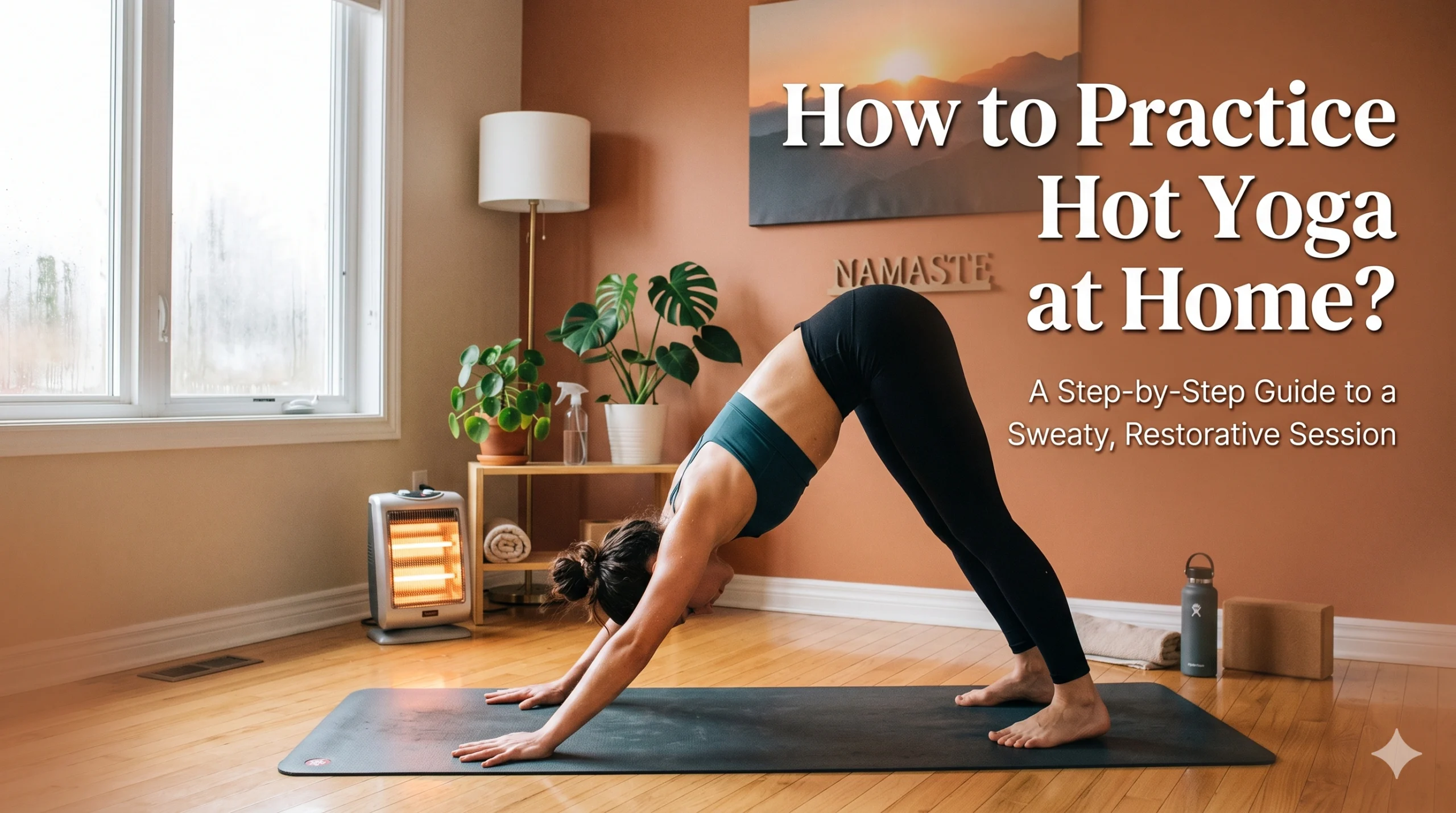
How to Do Hot Yoga at Home? Hot yoga is now among the most popular types of yoga globally, thanks to its ability to combine mindful movement with the challenge of heat. Usually done in a studio preheated to around 95 –105°F with precisely managed humidity, hot yoga stretches you deeper, increases strength, and gives you intense sweating that is both purifying and energizing. What if you don’t have a studio, though, or prefer practicing in your own sanctuary? With some planning and imagination, it’s entirely possible to replicate the hot yoga experience at home.
Building The Right Space to Practice Hot Yoga at Home
The initial step to practicing hot yoga at home is to create an appropriate space. A small room is generally ideal, as it can hold heat better than larger areas. Some people simply use an extra bedroom, office, or even a converted bathroom. Whatever you select, try to make it your sanctuary – clear out clutter, add relaxing scents, and create an environment where you can unwind.
It is equally crucial to keep the warmth within the room. Smallest drafts from windows or under doors can instantly drop the temperature. Even simple solutions such as weatherstripping, thick drapes, or door draft stoppers can make a huge difference in keeping it warm.
- Heating It Up
The hardest thing about hot yoga at home is getting the temperature right, but there are a couple of solutions to this. One of the most practical solutions is an infrared heater, which warms surfaces and objects directly in much the same way that the sun heats the earth naturally. It is unlike traditional heaters, as it spreads heat evenly and warms the body more comfortably.
For the more advanced, hot yoga domes are a great new solution. They’re lightweight, inflatable studios that can encapsulate heat and humidity effectively, and they can achieve the necessary temperature in a few minutes. They’re particularly convenient if you want to bring your practice on the road or offer private lessons.
If you reside in a tropical climate, nature can easily offer you the ideal conditions. Practicing in an open area during a hot summer day exposes you to both the full force of the sun and the grounding energy of nature. Just be sure to take care of your skin by applying sunscreen or opting for a shaded location if sunlight is overwhelming.
- Don’t Forget the Humidity
Heat is only half the story – humidity is also crucial in hot yoga. Dedicated studios typically maintain humidity at 40–50 percent, occasionally higher. At home, you can replicate it with a humidifier, a basic spray bottle for misting the air, or even hot water bowls strategically placed in the room. A compact digital hygrometer will allow you to track levels so you know when you’ve hit the spot.
- Warming Up Your Body
As the room begins to warm up, you may be able to warm up your body to facilitate an easier transition. Having a warm cup of tea with ginger or cinnamon raises your internal temperature and allows you to set a calm, mindful intention. Taking a hot shower or bath can relax your muscles and heat your body up before getting on the mat. Certain practitioners actually suggest beginning while still slightly wet from the shower in order to recreate that humid studio environment. In case your room is not as warm as you desire, incorporating light layers of moisture-wicking apparel will help you maintain body heat until you have developed sweat.
- Flowing Into Your Practice
When you’re ready, start your session with soothing warm-up movements. Slowing spinal flexes, twists, and easy vinyasa flows will create internal heat and ready your muscles for deeper postures. As your body gets accustomed to the heat, you can move into progressively more demanding sequences.
It’s easy to get careless at home, without the presence of an instructor or the motivation of a class. Be attentive and listen to your body’s cues. Don’t just ignore dizziness, nausea, or cramping as signs of overheating. Have water readily available and drink frequently – even when you’re not thirsty. Proper hydration is crucial to hot yoga, both for performance and safety.
The Psychological Aspect of Home Hot Yoga
Practicing at home requires you to establish your own environment of concentration. A few people prefer listening to soothing instrumental music or watching a guided online video to maintain the pace. Others prefer being in quiet, guiding themselves with the sound of their breathing. Whatever you do, keep in mind that yoga is about harmony and awareness, not about pushing yourself into positions or measuring up to other people.
Always end your session with Savasana. Remaining still in the warmth gives your body time to soak up the effects of the practice and your mind a chance to calm down. It’s in this last stillness that the full depth of yoga – physical, mental, and emotional.
Staying Safe and Precautions
Hot yoga is life-changing, but it must be respected. Staying too intense in a hot room can be dangerous. Ensure you warm up properly, keep your area aired well enough that you don’t feel like you’re suffocating, and stop if you ever become overwhelmed. Your house isn’t always equipped with the protective measures of an expert studio, so it’s best to exercise safely.
1. Stay Hydrated
Since you’ll sweat more than normal, dehydration is the greatest threat. Drink water prior to, throughout, and after your session. Wait until you feel thirsty and your body has already started to run on empty. Supplementing with electrolytes (such as coconut water or a dash of Himalayan salt in your water) can assist in replenishing minerals lost through perspiration.
2. Listen to Your Body
Watch for overheating signs, including dizziness, nausea, headache, or cramping. If you feel any of these symptoms, stop at once, take a drink of water, and rest in a cooler area. Yoga is not a matter of working through pain as it’s awareness and balance.
3. Don’t Overstretch
The heat can make your muscles feel looser, which is great for flexibility, but it also increases the risk of overstretching and injury. Move slowly into poses and respect your limits, even if your body feels more open than usual.
4. Start Slowly if You’re New
If you’re new to hot yoga or yoga in general, ease into it. Begin with shorter sessions or a lower room temperature before working your way up. Give your body time to adapt.
5. Avoid Heavy Meals Before Practice
Exercising in a hot room on a full stomach can cause you to feel bloated or queasy. Do your best to have a light snack at least 2–3 hours prior to class and top off with easily digestible foods.
6. Dress Correctly
Dress in moisture-wicking, lightweight, sweat-drying clothing that is not heavy. Avoid cotton as it holds water and weighs you down.
7. Cool Down Properly
Don’t miss your last relaxation (Savasana). It allows your body to make a smooth transition from active heat to relaxation. After class, slowly cool down and stay hydrated.
8. Be Aware If Hot Yoga Is for You
Hot yoga is not for everyone. Pregnant women, individuals with specific heart ailments, breathing problems, or heat intolerance should not practice it unless medically cleared. If in doubt, see a healthcare provider before beginning.
Conclusion: How to Practice Hot Yoga at Home
The best thing about hot yoga is that it blends physical challenge with conscious stillness, and that does not have to be done in a studio. With appropriate space, some minor adjustment of heat and humidity, and a dedication to hearing your body, you can create a richly rewarding at-home hot yoga practice.
Envision getting on your mat without fighting traffic, shelling out money on memberships, or cramming into a crowded space. With regularity, your home can be your own personal haven for change, strength, and development – cozy, welcoming, and all yours. For more such informative articles visit Indian Bulletins Yoga!