
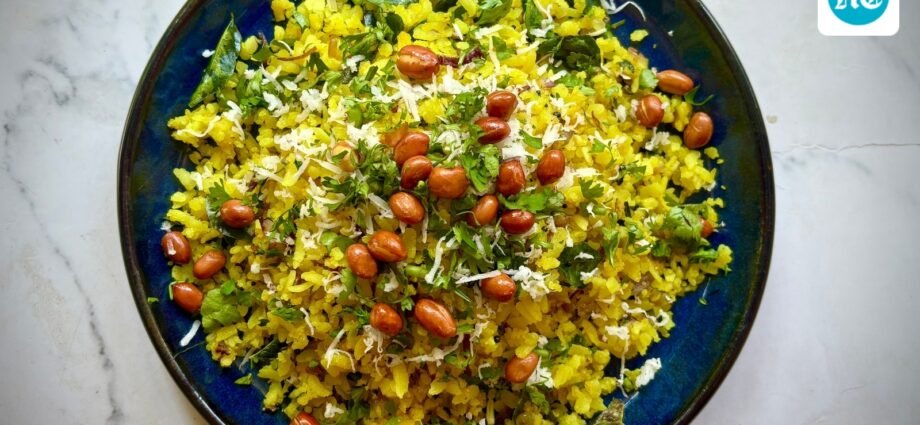
From poha to idli, Indian breakfast options are often touted as healthy. But how healthy are they really? In this edition of Indian Food Decoded, HT Lifestyle spoke to Meghna Tiwatia, senior nutritionist at Nutrition In Sync, to break down the reality of poha, one of India’s most popular and widely considered healthy breakfast options.
Also read | Is poha good for weight loss? A nutritionist explains the best way to eat poha without gaining calories
Is poha actually a healthy breakfast?
According to Meghna, if breakfast is your first meal after a long overnight fast, it becomes your first nutritional signal of the day. “And while breakfast is not mandatory for everyone, when you do eat it, I want you to think beyond just calories. I want you to think about protein, fibre, fats, energy, satiety and especially blood sugar,” highlighted Meghna.
Blood sugar is not something only people with diabetes need to care about. Every meal causes a rise in blood glucose. That’s completely normal. What we want is a meal that gives us steady energy and keeps us satisfied, instead of a huge spike followed by a crash that leaves us sleepy, hungry and looking for something sweet two hours later.
And here’s where it gets interesting. Research has shown that your first meal can actually influence how your body responds to the next one. This is known as the “second meal effect”. Meghna highlighted that when healthy adults skipped breakfast, they had a significantly higher blood glucose response after lunch, even though the lunch itself was the same. In other words, what happened at breakfast affected how their body handled food later in the day.
Nutritional breakdown of Poha
“Poha is primarily a carbohydrate, and I really want us to stop being scared of that word,” said Meghna. Carbohydrates give you energy. Your brain uses glucose. Your muscles use glucose, and you don’t need to remove carbs from breakfast to lose weight.
According to Meghna, the problem is when your breakfast becomes only carbs. A bowl of plain poha with some onion and coriander may be delicious, but it isn’t giving you much protein. You might feel full for a little while and then find yourself hungry again by 10:30 or 11. Now take the same poha and add peas, vegetables and peanuts. Have some curd, eggs, paneer or another protein source alongside it. Suddenly, you have a much more balanced meal with carbohydrates, protein, fibre and fats.
“And don’t throw away the peanuts because someone told you they’re high calorie,” highlighted Meghna. They bring protein, healthy fats and satiety. The goal isn’t to make your poha as low calorie as possible. The goal is to make your breakfast nourishing enough that it actually keeps you going. The same goes with sev. A little because you enjoy it isn’t going to ruin your diet. But if the poha is buried under sev, then obviously the meal has changed.
According to Meghna, poha can absolutely be a healthy breakfast. You don’t need to replace the food you grew up eating with some fancy healthy breakfast from Instagram. You just need to learn how to build your everyday food better. Poha isn’t the problem; an incomplete breakfast is.
Note to readers: This article is for informational purposes only and not a substitute for professional medical advice. Always seek the advice of your doctor with any questions about a medical condition.